
The Sustainable Fashion Revolution
The fashion industry has long been criticized for its environmental footprint, contributing to approximately 10% of global carbon emissions. However, a new wave of innovative brands is proving that style and sustainability can coexist beautifully. These pioneers are reimagining every aspect of fashion production, from sourcing materials to manufacturing processes and supply chain transparency.
What sets sustainable fashion apart isn't just the use of organic materials—it's a holistic approach that considers the entire lifecycle of a garment. This includes ethical labor practices, minimal water usage, zero-waste production techniques, and circular economy models where clothes are designed to be recycled or biodegraded.

Organic cotton and recycled materials are becoming the new standard in sustainable fashion.
Top Sustainable Fashion Brands Leading the Change
1. Reformation: Transparency Meets Style
Reformation has become synonymous with sustainable glamour. This Los Angeles-based brand publishes detailed sustainability reports for each product, showing the environmental impact in terms of carbon dioxide, water, and waste. Their commitment to transparency is unmatched in the industry.
"Sustainability shouldn't be a luxury or an afterthought—it should be the foundation of everything we create." — Yael Aflalo, Founder of Reformation
Featured Product: Reformation's Sustainable Denim Collection
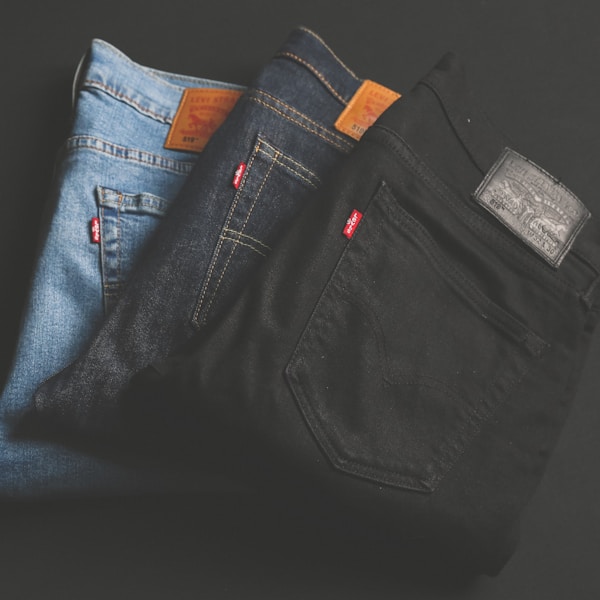
Eco-Friendly Denim Line
What Makes It Special: Uses 70% less water than traditional denim production, incorporates recycled cotton, and features natural indigo dyeing processes.
Price Range: $148 - $248
Sustainability Score: 9.5/10
Pros:
- Exceptional water conservation
- Full supply chain transparency
- Timeless, durable designs
- Carbon-neutral shipping
Cons:
- Premium pricing
- Limited size range in some styles
2. Patagonia: The Gold Standard
Patagonia has been a pioneer in sustainable fashion for decades. Their "Worn Wear" program encourages customers to repair, share, and recycle their gear, directly challenging the fast-fashion model. In 2025, they've expanded their regenerative organic cotton program, supporting farming practices that actually restore soil health.

Patagonia's commitment extends beyond products to environmental activism and conservation.
3. Stella McCartney: Luxury Meets Ethics
Proving that luxury and sustainability aren't mutually exclusive, Stella McCartney has never used leather, fur, or feathers in her collections. Instead, she's pioneered innovative alternatives like Mylo™ (mushroom leather) and regenerated cashmere. Her brand demonstrates that high-end fashion can maintain its prestige while respecting planetary boundaries.
Materials Making a Difference
The sustainable fashion movement is driven by material innovation:
- Organic Cotton: Grown without harmful pesticides, using 91% less water than conventional cotton
- Tencel/Lyocell: Made from sustainably harvested wood pulp in a closed-loop process that recycles 99% of water and solvents
- Recycled Polyester: Created from plastic bottles, reducing petroleum dependence and ocean plastic pollution
- Hemp: Requires minimal water, grows quickly, and improves soil quality
- Piñatex: Innovative leather alternative made from pineapple leaf fibers
Did You Know?
A single cotton t-shirt requires approximately 2,700 liters of water to produce—that's enough drinking water for one person for 2.5 years. Choosing organic and recycled materials can reduce this impact by up to 90%.
Shopping Tips for Sustainable Fashion
Making sustainable fashion choices doesn't have to be overwhelming. Here are practical guidelines:
- Invest in Quality: Choose well-made pieces that will last years rather than seasons
- Research Certifications: Look for GOTS (Global Organic Textile Standard), Fair Trade, or B Corp certifications
- Consider Second-Hand: Vintage and consignment shopping is inherently sustainable
- Support Transparent Brands: Choose companies that openly share their production processes and impact
- Care Properly: Wash less frequently, use cold water, and air dry to extend garment life

Mindful shopping habits can significantly reduce your fashion footprint.
The Future of Fashion
The sustainable fashion movement is accelerating rapidly. By 2025, we're seeing technologies like AI-powered demand forecasting reducing overproduction, blockchain ensuring supply chain transparency, and bio-fabricated materials grown in laboratories without animal agriculture.
Major retailers are also responding to consumer demand. Companies like H&M and Zara have launched sustainable lines, though critics argue these efforts don't address the fundamental issues of fast fashion. True sustainability requires a shift away from constant consumption toward thoughtful, intentional purchasing.
Final Thoughts
The rise of sustainable fashion represents more than a trend—it's a necessary evolution. As consumers, every purchase is a vote for the kind of industry we want to support. By choosing brands that prioritize people and planet alongside profit, we can collectively transform fashion into a force for good.
The brands highlighted here prove that sustainable fashion doesn't require sacrificing style, quality, or innovation. Instead, environmental consciousness is driving creativity and pushing the industry toward a more equitable, sustainable future.

